
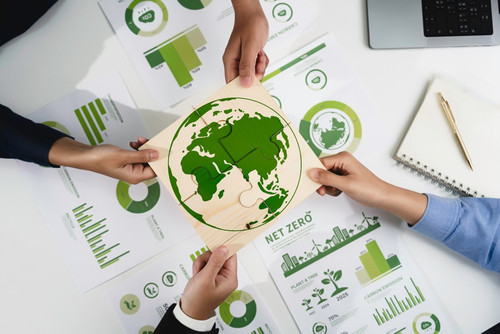
For modern businesses, sustainability is becoming increasingly important to come together with the community to help save the planet. Eco-friendly practices aren’t just a trend anymore; they are a must to be able to reduce the negative effects we have had on the environment. However, sustainable changes in a business can come at a price. It entails sourcing eco-friendly products for every aspect of the business and reducing the negative impact a business can make during its processes. Because of this, small and medium-sized enterprises can struggle to go green. Luckily, there are ways to make more environmentally responsible decisions without breaking the bank.
Whether you’re a startup, a local manufacturer, or an online retailer, there are practical and affordable ways to build sustainability into your operations while keeping the costs low. These tips for implementing sustainability in your business on a budget can help you look after the planet and keep outgoing costs low, leaving you with more profit and a sustainable business.
Start with Energy Efficiency
One of the easiest and most effective ways to lower your environmental impact is by improving energy efficiency in your business. Whether you have an office or a physical store, energy can be a huge contributor to your negative environmental impact. Plus, lowering your energy usage can save you money in the long run. This is because energy-efficient tools use a lot less energy and prevent you from wasting it, keeping energy bills low!
Swapping incandescent bulbs for LED lighting can improve the amount of energy your business uses and wastes. This is a simple way that instantly makes your workplace much more energy efficient. You can also use smart thermostats to regulate heating and cooling, giving you more control over when you use the system. This uses a lot less energy, which saves the planet and lowers your energy bills. On top of this, you should check the Energy Star rating of appliances and office equipment. The higher the score, the less energy it uses. If they are an A or A++ this is the lowest energy use, but if they’re below a C, then you will need to upgrade them. These upgrades not only reduce emissions but also lower your utility bills, paying for themselves over time.
Even small habits like unplugging idle electronics, using natural light when possible, or scheduling regular maintenance for HVAC systems can make a meaningful difference.
Throw the Paper Away and Go Digital
Reducing paper usage is another low-cost, high impact change to make in your business. Throwing the paper away and going digital can help you save the planet. This is because paper is made from trees, so many trees are cut down to create it. Try not to rely on paper and find digital alternatives for your staff to use. Embrace digital invoices, cloud-based file storage, and electronic signatures. Make sure to let your employees know about this change and provide them with any training they may need to understand the digital systems properly. Doing this not only reduces waste and clutter but also streamlines operations and improves accessibility.
You can also encourage employees to print only when necessary and set default printer settings to double-sided. If printing is unavoidable, use recycled paper and environmentally friendly inks where possible.
Choose Reusable Over Disposable

It is surprising how many everyday supplies businesses use have an eco-friendly alternative. Whatever supplies your business needs to carry out daily tasks, you can easily find an eco-friendly alternative for a low cost. The best option to choose is reusable supplies. These may have a larger upfront cost, but they pay off over the years. This is because these supplies are very durable and long-lasting, staying in perfect condition for years to come. Choose refillable pens, washable dishware, cloth towels, and reusable water bottles to reduce waste and cut down on recurring expenses.
In the logistics and shipping industries, sustainable materials are being sourced for storage and transportation to cut down emissions and negative impacts. It is ideal to replace single-use packaging with reusable options. You could also build on this by changing the way you store and transport products. Usually, wooden pallets are used, which harbor pests and rely on trees. However, switching to plastic pallets that are recyclable or made from recycled plastic can instantly make a huge difference. This offers a durable and reusable solution that reduces waste and increases long-term savings.
Make Smart Procurement Choices
Sustainable business practices often begin with smart sourcing. This is a practical and effective way to implement sustainability in your business because it ensures the products you sell and everything you use in your business are better for the environment. Work with suppliers that prioritize ethical and environmentally responsible practices. You should look into buying in bulk, choosing recycled materials, and supporting local vendors. This helps to cut emissions from transportation, which creates a positive change and a step in the right direction for an environmentally friendly business. It can also lead to cost savings through better unit pricing and fewer packaging materials.
Involve Your Team
Sustainability is more effective when it’s a team effort. It is essential to get your team on board with your sustainable initiatives so that you can successfully achieve them. Educate your staff on eco-friendly practices and encourage them to suggest improvements. This helps to make your staff feel valued and heard by your company, while giving them responsibility in their role to help reach a greener future. Plus, you can find gaps in your sustainability plan from asking for feedback and improvements.
You should create a green policy, promote workplace recycling, and consider incentives for energy-saving ideas. Building a culture around sustainability not only boosts morale but also enhances your brand reputation among eco-conscious customers and partners.
Monitor and Measure Progress
You can’t manage what you don’t measure. Use simple tools or software to track energy consumption, paper use, and waste output. This will help you understand the difference your sustainable practices make and see what’s working and what’s not, giving you opportunities to make any changes necessary to make it more successful. From this, make sure to set realistic goals and celebrate progress- no matter how small it is.
Sustainability isn’t about overnight transformation. It’s about making consistent, conscious choices that align with your values and your bottom line.
Going green doesn’t require a major investment or drastic operational overhaul. In fact, many sustainable choices lead to greater efficiency and cost savings. By thinking creatively and acting gradually, your business can adopt eco-conscious practices that benefit both the planet and your profit margin.